Pitru Paksha 2026: Sept 26 – Oct 10 | Sarva Pitru Amavasya: Oct 10, 2026
Priest Desk & Sankalpam Guidance: +91 98409 24789 / 9840734395
  1. Home
  2. Pitru Paksha 2026
  3. Pitru Paksha Questions About Parents & Ancestors
Respectful Ancestral Remembrance Compassionate Priestly Guidance

Pitru Paksha Questions About Parents and Ancestors Compassionate Vedic Answers on Loss, Remembrance, Missed Rituals & Online Prayers

Devotional Remembrance & Clarity

Losing a parent or close family member can leave behind grief, unanswered questions and a strong desire to remember them meaningfully. Many people want to observe Pitru Paksha but are unsure about the appropriate ritual, the correct date or whether a prayer can still be performed if an earlier observance was missed.

Respectful Answers for Devoted Families

This guide offers respectful, straightforward answers to the questions families commonly ask about Pitru Paksha, Amavasya Pooja and Thila Homam.

For the complete dates, services and booking information, visit our main guide to Pitru Paksha 2026 and Mahalaya Amavasya.
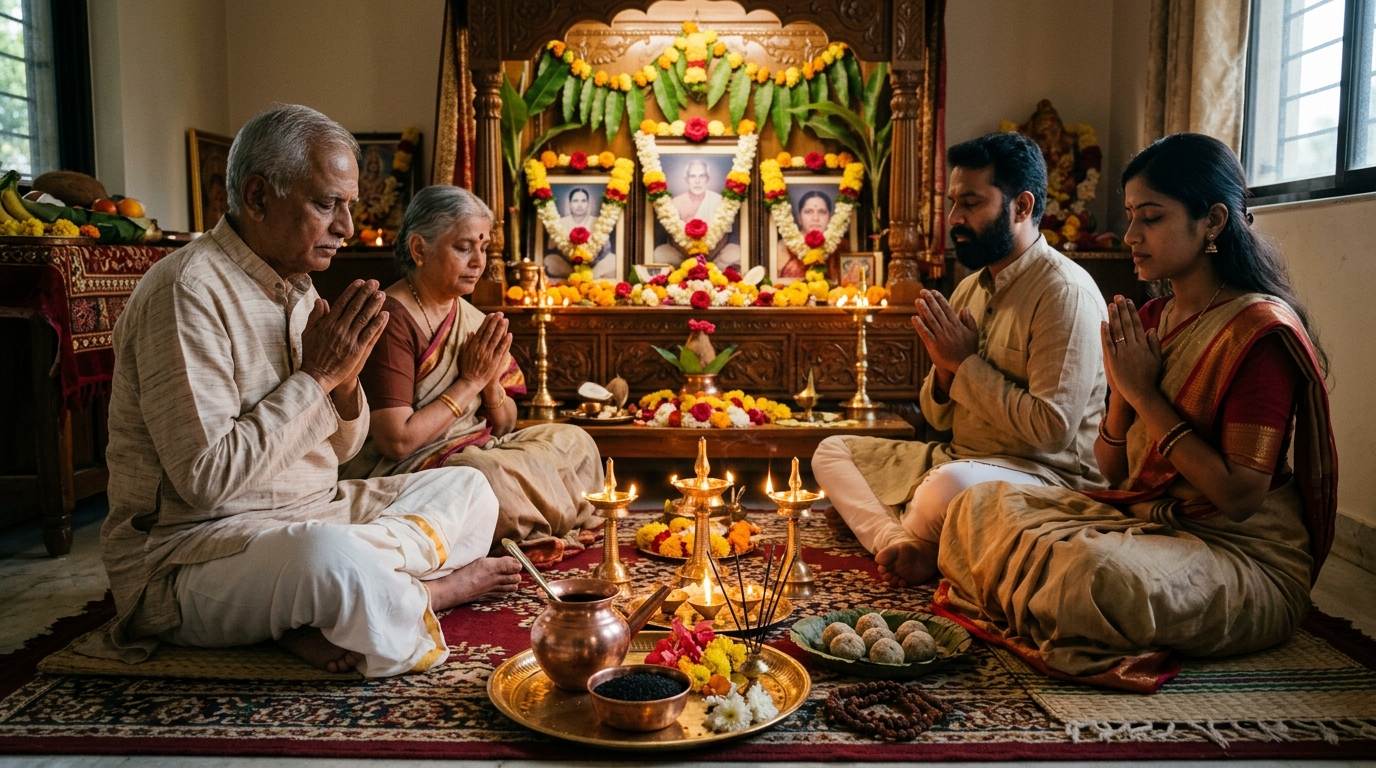
Family offering respectful prayers for departed parents during Pitru Paksha 2026
Pitru Paksha is traditionally observed as a period of remembrance, gratitude and prayer for departed ancestors.

Note on Family Traditions

Traditional practices can vary by family, community and circumstances. Speak with a knowledgeable priest when you need guidance specific to your family.

Observing Prayers After the Loss of a Parent

Question
I recently lost my father or mother. Can I observe Pitru Paksha?

Many families offer prayers during Pitru Paksha to remember departed parents and ancestors with gratitude.

However, when a death is very recent, the appropriate observance may depend on the family’s customs and whether the immediate post-death rites have been completed. A priest can help determine what is traditionally appropriate for your situation.

Pitru Paksha in 2026 is observed from September 26 to October 10, concluding on Mahalaya Amavasya, October 10, 2026.

Question
I miss my parents deeply. Is there a meaningful prayer I can offer?

Yes. Many devotees use Pitru Paksha and Amavasya as occasions for remembrance, gratitude and prayer.

Depending on the family tradition, the observance may include:

  • Remembering departed family members by name.
  • Offering a personalized Sankalpam.
  • Amavasya Pooja.
  • Thila Homam with sesame offerings.
  • Charity or food donation in their memory.
  • Personal prayer and remembrance at home.

These observances should be approached as devotional acts of love and gratitude, not from fear or guilt.

Question
I could not perform rituals after my parent passed away. Is it too late?

Do not assume that you have permanently missed the opportunity to pray for them.

Traditional procedures vary, but families may still observe Amavasya, the departed person’s annual Tithi or Pitru Paksha as meaningful occasions for remembrance.

Because circumstances differ, speak with the temple team before selecting a ritual. They can explain the available practices without asking you to guess.

Question
I missed last year’s Pitru Paksha. What should I do?

Missing a previous observance does not mean you must stop praying for your ancestors.

Many devotees resume their ancestral prayers during the next Amavasya or Pitru Paksha with sincerity. Pitru Paksha 2026 offers another opportunity to remember departed relatives and continue the family’s spiritual tradition.

See the complete Pitru Paksha 2026 dates and ritual calendar.

Understanding the Difference Between Ancestral Observances

Question
What is the difference between Pitru Paksha and Amavasya Pooja?

Pitru Paksha is an annual period traditionally dedicated to remembering and honouring departed ancestors.

Amavasya Pooja is performed on the new-moon day and may be observed monthly or on significant occasions such as Mahalaya Amavasya.

The final day of Pitru Paksha is known as Sarva Pitru Amavasya or Mahalaya Amavasya. It is traditionally observed for known and unknown departed members of the family.

Question
What is the difference between Amavasya Pooja and Thila Homam?

Amavasya Pooja generally includes prayers and offerings made in remembrance of ancestors and for the spiritual well-being of the family.

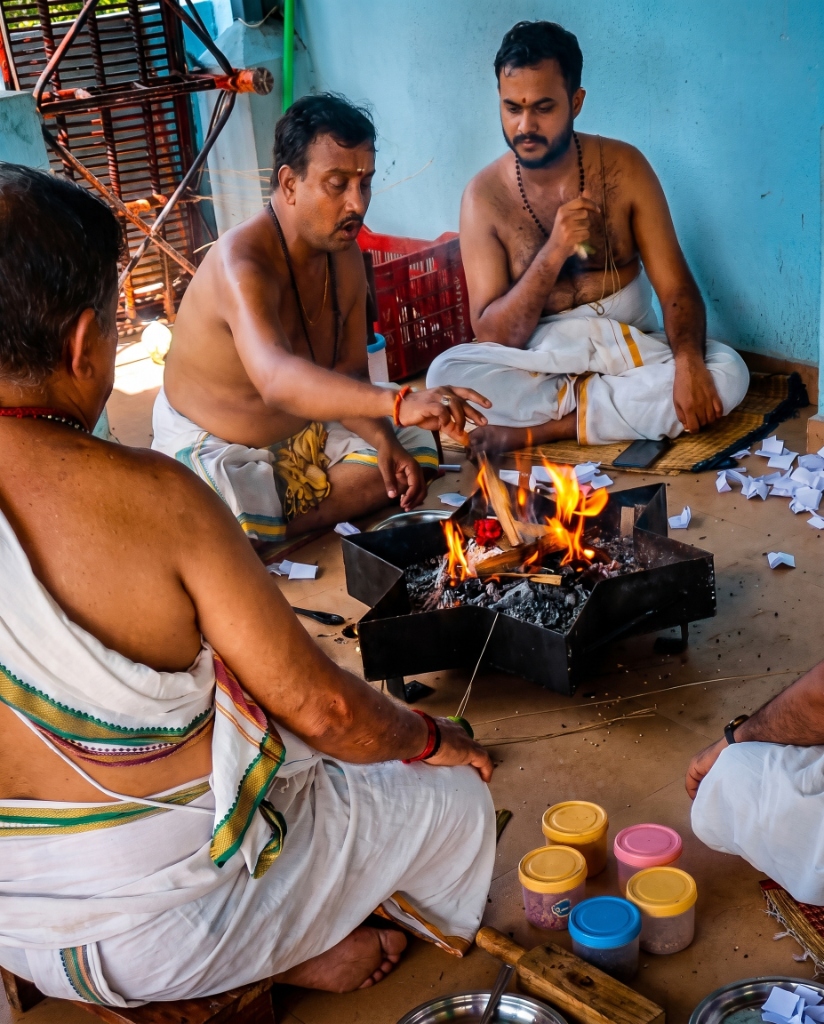
Thila Homam is a Vedic fire ritual in which sesame seeds, ghee and prescribed sacred materials are offered into the fire while mantras are chanted.

The appropriate option depends on the occasion, family tradition and the guidance being sought. You can perform a personalized Thila Homam during Pitru Paksha with individual Sankalpam.

Sacred Vedic Thila Homam Fire Ritual

Vedic havan performed with sacred black sesame (Til) and prescribed mantras for ancestral peace.

Authentic Vedic Thila Homam sacred fire ritual performed by experienced priests during Pitru Paksha
Authentic Vedic Thila Homam fire ritual performed with sacred black sesame (Til), samidha and mantras for ancestral liberation and peace.
Observance Primary Nature Timing Core Purpose
Amavasya Pooja Devotional archana, tarpanam & prayer Monthly Amavasya or Mahalaya Amavasya Gratitude & remembrance of departed parents
Thila Homam Vedic havan with black sesame (Til) & ghee Pitru Paksha / specific sacred tithis Soul peace, ancestral debt relief & harmony
Sarva Pitru Amavasya Collective grand ancestral prayer Culmination of Pitru Paksha (Oct 10, 2026) Honoring all known & unknown lineage souls

Addressing Pitru Dosha, Family Tension & Emotional Grief

Question
Someone said that my family has Pitru Dosha. Should I perform Thila Homam?

Avoid treating Pitru Dosha as an automatic diagnosis for every family difficulty.

Different astrological and spiritual traditions interpret it differently. Before choosing a ritual, ask a qualified representative to explain:

  • Why the ritual is being suggested.
  • What the ritual includes.
  • Whether it is performed individually or in a group.
  • Which family details are required.
  • Whether online participation is available.
  • What you will receive after completion.

Thila Homam is a faith-based Vedic observance. It should not be presented as a guaranteed solution to financial, medical, marital or psychological difficulties.

Question
Our family has constant tension. Can Pitru Paksha Pooja help?

Many families observe Pitru Paksha with prayers for unity, gratitude and household well-being.

The ritual may offer a meaningful opportunity for family members to remember their shared ancestry and pray together. However, it should complement—not replace—honest communication, medical help, counselling or other practical support when those are needed.

Question
I feel guilty that I did not do enough for my parents. What can I do?

Grief often creates feelings of guilt, especially when circumstances prevented someone from completing a ritual or being present at the time of a parent’s passing.

A prayer performed now can be approached as an expression of continuing love and remembrance. Speak with the temple team about a simple and appropriate observance rather than acting from fear.

Online Participation, Women's Observance & Required Information

Question
Can I participate in Pitru Paksha Pooja from outside India?

Yes. Overseas devotees may arrange an online ritual without travelling to India.

Depending on the selected service:

  • You submit the Sankalpam details.
  • The temple confirms the date and ritual.
  • The priest performs the pooja or homam.
  • You participate through a scheduled live connection when available.
  • A personal ritual video is shared after completion.

Confirm the live-participation and video arrangements before booking.

Question
Can women arrange Pitru Paksha Pooja?

Women may book or participate in ancestral prayers according to their family customs and personal circumstances.

Because practices can differ between traditions, women with questions about a recent bereavement or a particular ritual can seek individual guidance from the temple team.

Question
What if I do not know my Gothram or Nakshatra?

Do not abandon the booking simply because one detail is unknown.

Inform the temple team honestly about the information you have. They can explain whether the ritual can be arranged according to the applicable tradition.

Never invent a Gothram, Nakshatra or ancestor’s name.

Question
What information is required?

You may be asked to provide:

  • Name of the person booking the ritual.
  • Gothram, if known.
  • Nakshatra and Rashi, if required and known.
  • Names of departed parents or ancestors.
  • Relationship to the departed person.
  • Preferred ritual and date.
  • Country and time zone for online participation.
  • WhatsApp number for confirmation and video updates.
Question
What happens after I make a booking?

The usual process is:

  1. The temple confirms your payment and selected service.
  2. You submit the required Sankalpam information.
  3. The pooja or homam is scheduled.
  4. The priest performs the individual ritual using the submitted details.
  5. Live participation is arranged if included.
  6. The completed ritual video is sent to your registered WhatsApp number.

Ask for written confirmation of the inclusions before making payment.

Question
How do I choose the appropriate ritual?

Choose based on your family tradition and the purpose of the observance—not because of fear-based claims.

You can contact the temple team and explain:

  • Whom you want to remember.
  • Whether the passing was recent.
  • Whether earlier rites were completed.
  • Whether you want Amavasya Pooja or Thila Homam.
  • Whether you live outside India.
  • Whether you require live online participation.

For the available dates and personalized services, explore our Pitru Paksha rituals and booking options.

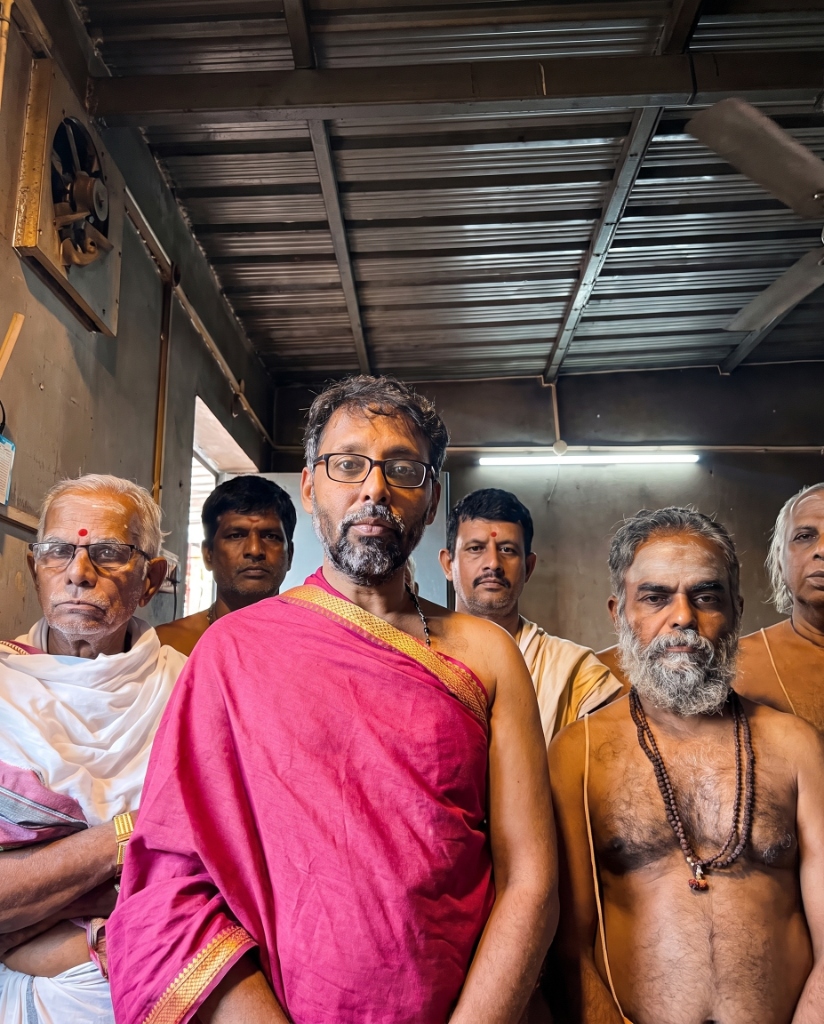
Learned Vedic Priests at Aadhesh Ashram

Experienced Vedic Pandits conducting individual family Sankalpam and rituals worldwide.

Learned Vedic Priests and Pandits of Aadhesh Temple conducting Pitru Paksha homams and Sankalpam
Our team of learned Vedic Pandits at Aadhesh Ashram dedicated to performing personalized family Sankalpam and ancestral ceremonies.

Find compassionate answers to common questions about Pitru Paksha and ancestral prayers.

Clear and compassionate guidance for common questions about Pitru Paksha and ancestral prayers.

User’s Message or Intent Compassionate Guidance Response
“My father died recently.” “I’m sorry for your loss. The appropriate observance may depend on when the passing occurred and your family tradition. May I ask whether the immediate family rites have been completed?”
“I miss my mother.” “I’m sorry you’re going through this. Many families offer prayers during Amavasya or Pitru Paksha as an expression of love and remembrance. Would you like information about the available observances?”
“I missed the ritual.” “Please don’t worry. There may still be meaningful opportunities to offer prayers during the next Amavasya or Pitru Paksha. Would you like the 2026 dates?”
“Do I have Pitru Dosha?” “Pitru Dosha should not be assumed from family difficulties alone. Our representative can explain its traditional meaning and whether any ritual is suitable.”
“Which pooja should I do?” “The appropriate option depends on your family tradition and circumstances. Is this for a recently departed parent, an annual remembrance or general ancestral prayer?”
“Can I do it online?” “Yes. Online participation may be arranged, and a personal ritual video can be shared after completion. Which country and time zone are you joining from?”
“I don’t know my Gothram.” “That is okay. Please share the information you know, and the temple team will guide you. You should not guess or invent a Gothram.”
“Can women book it?” “Yes, women may book or participate according to their family customs and circumstances. The temple team can clarify any tradition-specific questions.”
“How much does it cost?” “The price depends on whether you choose Amavasya Pooja, Ancestral Homam or Thila Homam. May I connect you with the representative for the current package details?”
“I want to book.” “Certainly. Please share your name, WhatsApp number, preferred ritual and country. A representative will contact you to confirm the details.”
Mentions guilt, anxiety or grief “I’m sorry you’re carrying this feeling. The ritual can be approached as an expression of remembrance, not from fear or guilt. Would you prefer general information or to speak privately with the temple team?”
Mentions self-harm or immediate danger Provide supportive crisis guidance and encourage immediate local emergency or professional help; do not redirect directly into a ritual sale.
How Can We Help You?Learned Vedic Priests at Aadhesh
Pitru Paksha 2026 Dates Which Ritual Is Suitable? Online Participation Information Needed Package Details Speak With Temple Team

Need Respectful Guidance?

If you are unsure about the appropriate ancestral prayer for your family, speak with the temple representative before booking.

Suggested WhatsApp Message:

“Namaste. I need guidance about Pitru Paksha Pooja for my family. Please explain which traditional observance may be appropriate for my situation.”

Pitru Paksha 2026 WhatsApp: 9840924789